FAMILIAR FACES
About 5,000 faces
Participants in a York study knew between 1,000 and 10,000 faces, about 5,000 on average, from their own lives and the media.
See the numbers
 doodlepeople
WHAT THE RESEARCH SAYS
5,000 faces known, on average
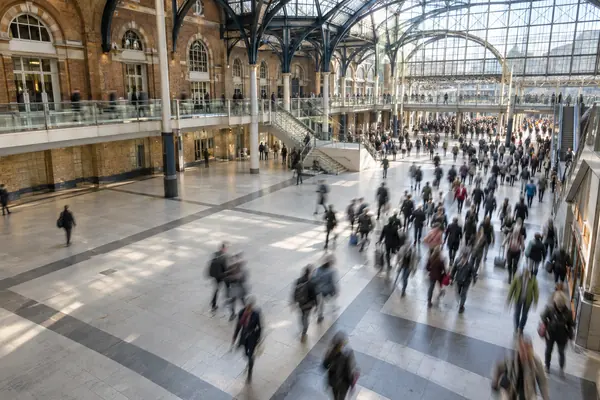
You can spot a friend across a crowded room in an instant.
Researchers at the University of York estimated that people know about 5,000 faces. But faces we do not know are another matter: matching a stranger to their photo is hard, and training and experience do not seem to fix it.
Updated
Test your intuitionTHE SHORT ANSWER
Face recognition is really two skills.
One works brilliantly for familiar people. The other, for strangers, is shaky.
FAMILIAR FACES
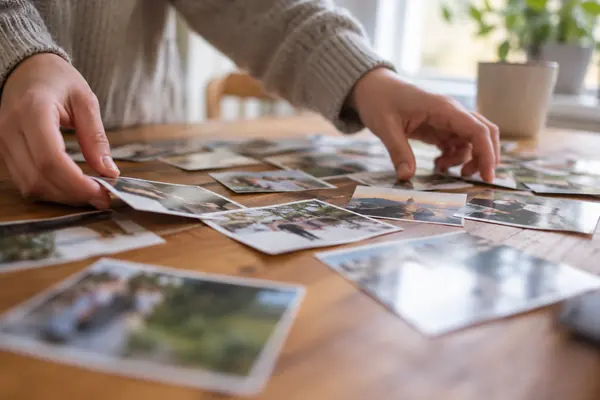
Participants in a York study knew between 1,000 and 10,000 faces, about 5,000 on average, from their own lives and the media.
See the numbersSAME PERSON, NEW PHOTO
Shown many photos of one unfamiliar person, viewers often decide they are several different people. People who know the face sort the same photos perfectly.
Why photos varyPHOTO ID
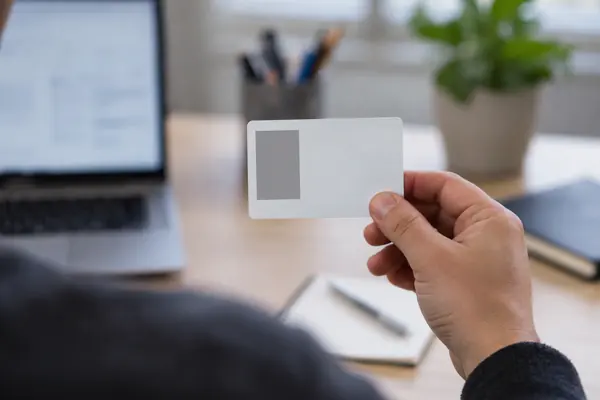
Passport officers checking people against photos accepted 14% of fraudulent photos, and did no better than students.
Test your intuitionA QUICK FACE CHECK
Pick a situation. The bar shows how error-prone the research found it to be.
Based on peer-reviewed studies of face matching and face sorting (2011 to 2016).
TWO NUMBERS WORTH KNOWING
One figure on how many faces we carry,
one on how often trained staff miss a fake.
≈ 5,000
Average number of faces a person knows
Participants spent an hour listing faces from their personal lives, then famous faces, and were tested on thousands of photos of famous people. They knew between 1,000 and 10,000 faces. Their mean age was 24.
FACES KNOWN · UNIVERSITY OF YORK
14%
Fraudulent photos accepted by passport officers
Thirty passport officers compared live people with photo IDs. They made 10% errors on average, rejecting 6% of valid photos and accepting 14% of fraudulent ones.
PHOTO ID · PLOS ONE, 2014
The York researchers point out that humans typically lived in small groups of around one hundred people, yet we handle thousands of faces. Dr Rob Jenkins said they had not yet found a limit on how many faces the brain can handle.
FOUR THINGS TO TAKE AWAY
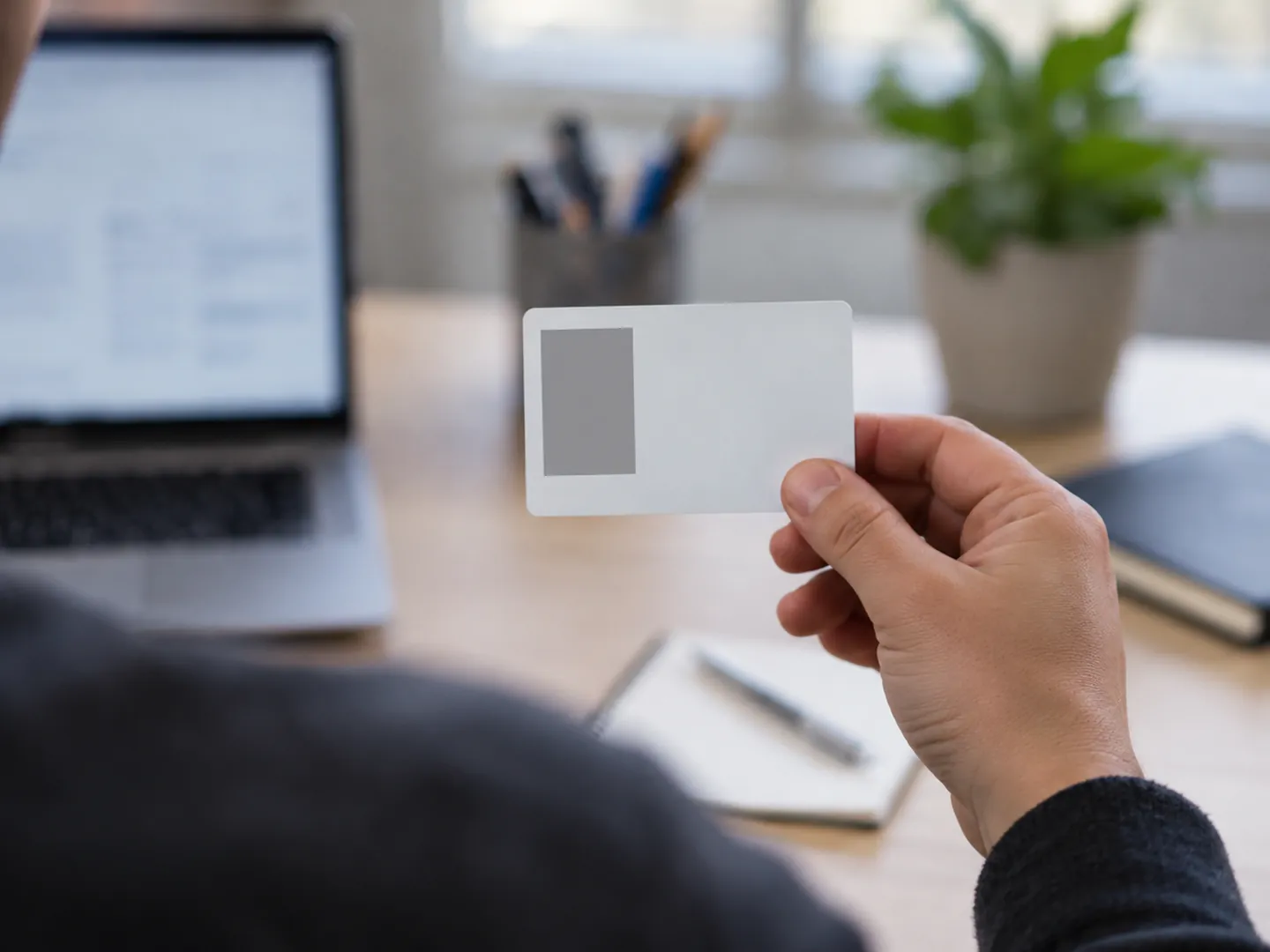
The research has practical lessons for anyone who has ever waved at a stranger or puzzled over an old photo.
Knowing someone helps more than training: familiar viewers sorted varied photos perfectly, while experienced passport officers matched strangers no better than students.
Photos of the same person form a range from good to bad likeness. Jenkins and colleagues concluded that face photographs are unsuitable as proof of identity.
Viewers told that only two people were in a set of photos later matched those faces more accurately than people who sorted with no hint.
Some people match unfamiliar faces with 100% accuracy and others fall below 70%. The PLOS ONE authors suggest selecting staff for aptitude.
WHY PHOTOS VARY
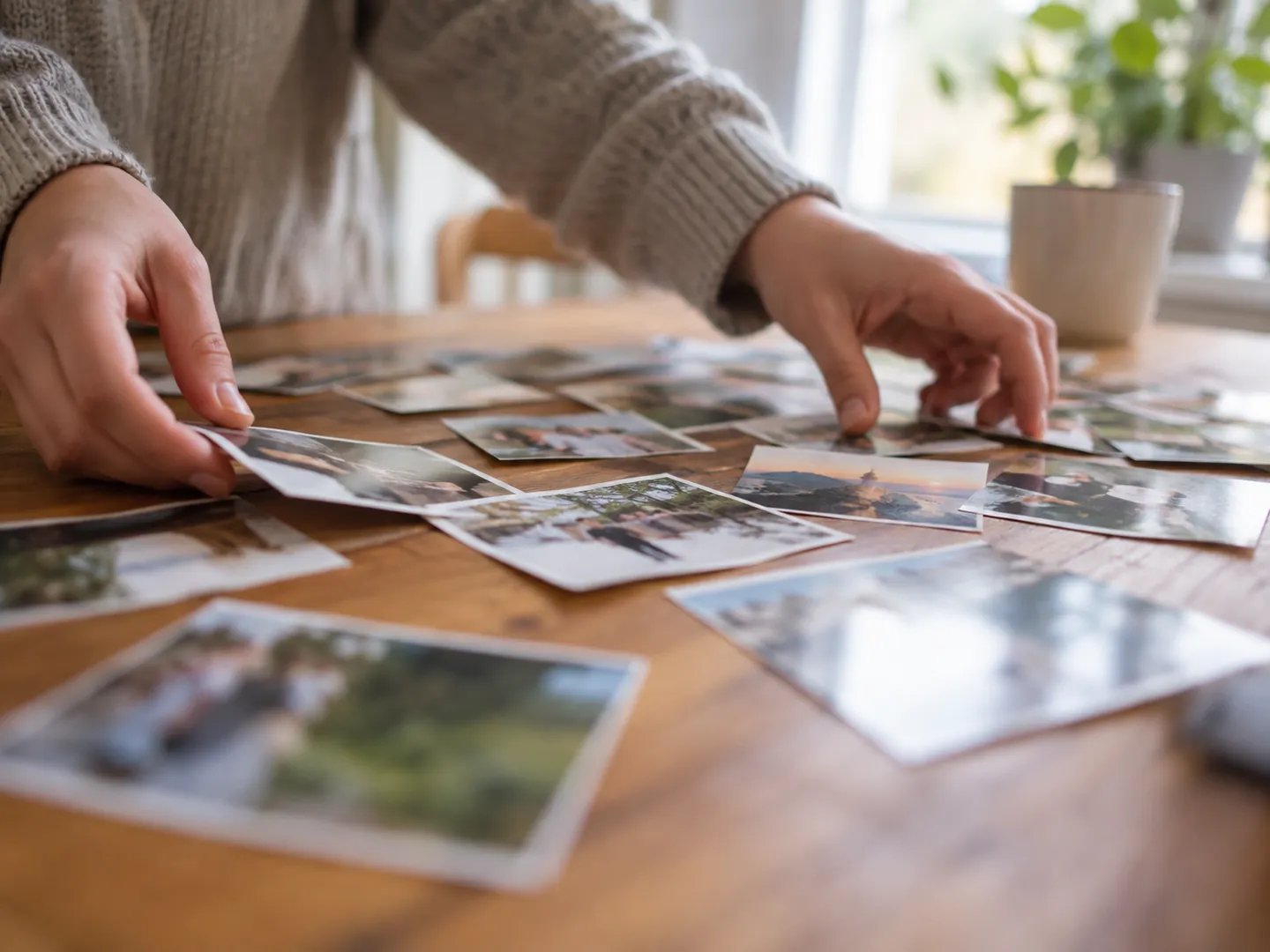
Lighting, angle, age and expression change how a face looks in a photo. Jenkins and colleagues found that this within-person variability is often very large compared with the differences between people.
Familiarity seems to work by learning that range. In one study, people sorting photos of two unfamiliar faces with no hint made 7.5 piles on average; those told there were two did better on a later matching test.
Questions
A University of York study estimated about 5,000 on average, with participants knowing between 1,000 and 10,000 faces.
Photos of the same person vary a lot with lighting, angle and age. Without knowing the face, viewers often see different photos of one person as different people.
Not on average. In a 2014 PLOS ONE study, passport officers did no better than students, and their accuracy was not linked to how long they had been in the job.
No. Researchers found very large individual differences: some people scored 100% on face matching tasks while others fell below 70%, where guessing gives 50%.
The York team said they had not yet found a limit on how many faces the brain can handle.
Sources
ABOUT THIS NAME
doodlepeople.com is part of the DoodleSale portfolio. It isn't in an auction right now, but you can ask about leasing it.